Big Feelings, Big Season: Helping Kids Through Holiday Meltdowns, Tantrums & Anxiety
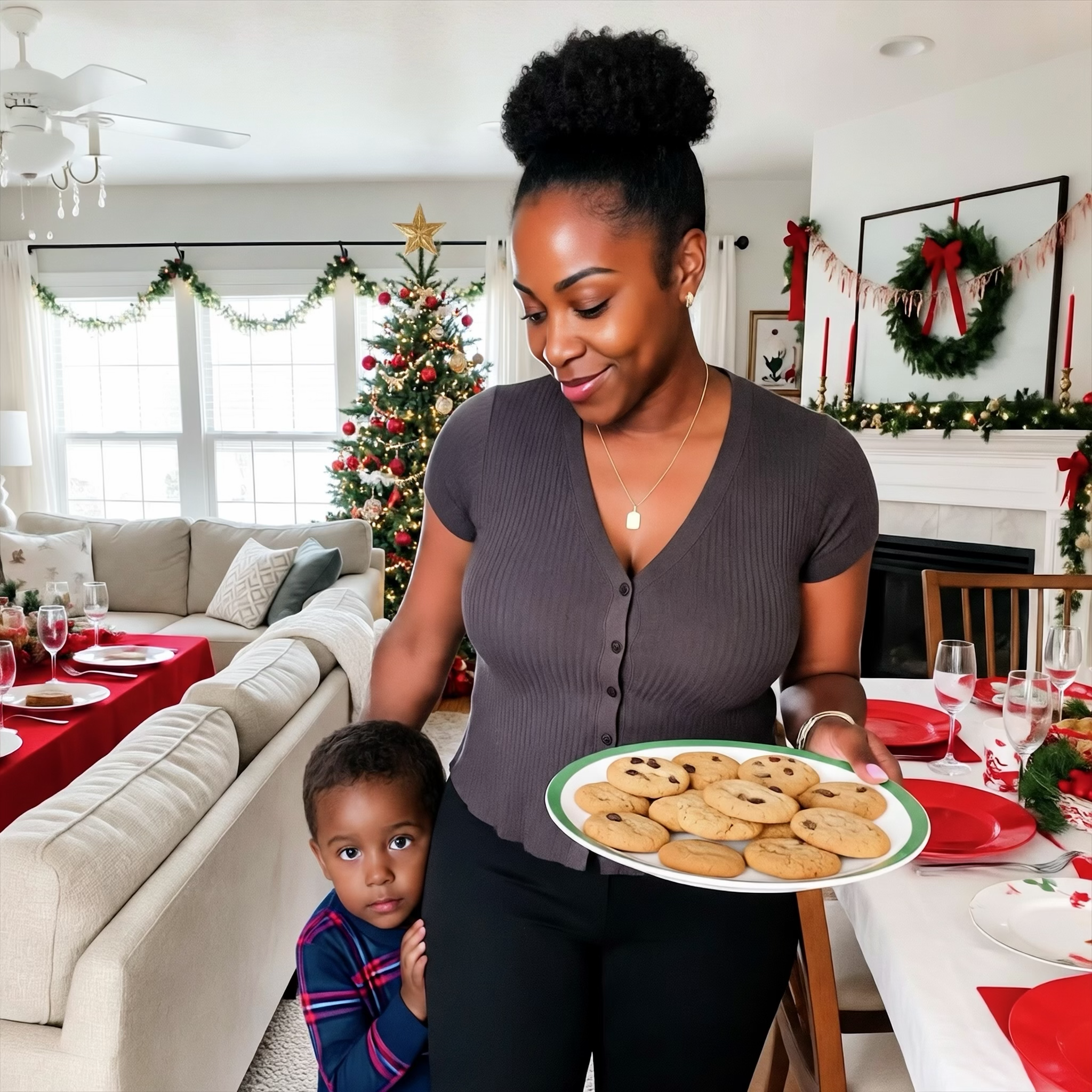 The holidays can be magical. But if your house feels more like a pressure cooker than a snow globe, you’re not alone.
To a child, the season is a lot: no routines, late bedtimes, new smells, loud cousins, relatives wanting hugs, car rides, crowds, uncomfortable clothes, new foods, sugar, and grown-ups saying “be good.” For many ADHD and autistic kids, it’s like pouring a pitcher of water into a small cup. It spills over as a meltdown, a tantrum, or quiet anxiety, and knowing which one changes how you help.
A Confession From My Own Holidays
I didn’t always know this. When my son was little, I apologized to relatives because my “shy” son wouldn’t say hello, join in, give his grandpa he hardly knew a hug. Embarrassed and worried about what everyone thought of him (and me), I coaxed and nudged.
Now I wish I could have a redo. My son wasn’t rude; he was overwhelmed, and pulling back was how he felt safe, he was doing his very best.
Try Seeing It Through Their Eyes
That experience, plus my Davis training and years as a facilitator, taught me a key lesson: before reacting, look at the moment through your child’s eyes. Get down to their height. The room is louder, the grown-ups taller, and a hug from a near-stranger can feel less like love and more like a violation of their safety.
When we ask “What is this like for my child?” instead of “What will everyone think?”, we stop managing our embarrassment and start supporting our child. Kids feel our worry and feed off it, so our calm makes room for theirs.
Meltdown or Tantrum?
A tantrum is about a want: the cookie, the toy, five more minutes of screen time. The child has some control. A meltdown is overwhelm. It comes from instinct, not thinking, so you can’t reason a child out of it any more than you can reason yourself out of jumping when startled.
| Meltdown | Tantrum | |
|---|---|---|
| Driven by | Overwhelm | A want or don’t-want |
| In control? | No, instinctual | Partly |
| Goal? | None, survival mode | To get or avoid something |
| Audience? | Doesn’t matter | Often checks if you’re watching |
| Holiday triggers | Noise, crowds, smells, uncomfortable clothes, routine changes | Hearing “no,” leaving something fun |
| How it ends | Slowly, once the body feels safe | Quickly, once the limit is clear |
| What helps | Protect and support: less input, quiet space | Calm and firm: hold the limit, follow through |
Dr. Angie Gonzales, a Ron Davis Autism Trainer, puts it simply: “Protect and support a meltdown. Discipline a tantrum.” Either way, your calm matters most. Kids respond more to how we are being than to what we say.
Checking in on Your Own Energy Level
One of my favorite Davis tools is the energy dial. Energy runs high (wound up, on edge) or low (tired, checked out). Neither is “bad,” but the holidays can stir up big emotions and send our energy soaring or crashing, sometimes in the same afternoon.
First, notice: from 1 to 10, where is my energy? My child’s? An 8 is much closer to a meltdown than a 5. Then practice mirroring the actions of others to bring it up or down to fit the moment: dinner at Grandma’s needs a different level than backyard tag.
This gives you a common language. Instead of “Calm down!”, ask “Where’s your dial?” or model it: “Mine’s high, so I’m bringing it down.” Kids learn to notice before things boil over, and it becomes something you do together.
Holiday Anxiety: The Quieter Big Feeling
Anxiety often hides as stomachaches, clinginess, “what ifs,” poor sleep, grumpiness, or refusing to go, eat, or join in. It grows in the gaps where a child doesn’t know what’s coming. Here’s how to fill them.
9 Simple Ways to Ease Holiday Anxiety
- See it through their eyes, then show the plan. Picture the day from their view, then walk through it with a picture calendar: who, where, what comes first, next, and last.
- Plan for changes together. “What if the plan changes? How might that feel? What could you do?” A backup plan they helped make keeps change from feeling like the ground shifting.
- Keep a few anchors, like bedtime or a favorite breakfast.
- Plan a calm-down spot and a secret break signal.
- Pack a comfort kit: headphones, a fidget, a snack, a soft hoodie.
- Offer choices about hugs and food. “A hug, a high-five, or a wave?” Control lowers worry.
- Name the feeling; don’t rush to fix it. Being understood is calming.
- Build in down time. Recovery is part of the plan.
- Check your own energy. A few deep breaths for you helps them, too.
Thanksgiving: Your Holiday Practice Run
Here’s a little gift hiding in the calendar: Thanksgiving comes before the rest of the holiday season. Think of it as a practice run.
Try out a few of these ideas on Thanksgiving — the picture schedule, the backup plan, the calm-down spot, the comfort kit. Then, a day or two later, look back together with your child: What felt good? What was hard? What should we do differently next time?
By the time December arrives, you’ll have a plan that’s already been tested, and your child will have a better idea of what to expect. That can make the bigger, busier holidays feel a lot less scary — for both of you.
Where Davis Concepts for Life Comes In
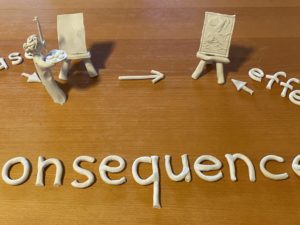
Anxiety and stress in kids is something I see again and again in my work. But these big reactions can often trace back to life concepts a person hasn’t fully mastered yet — concepts like change, time, sequence, consequence, perception, and experience.
The Davis Concepts for Life program helps learners master these concepts. Learners build models of these concepts with their hands in clay and then explore what they look like in their own lives. Once a concept clicks, it stays.
Along the way, learners also gain simple ways to self-regulate, like the energy dial, and start becoming more attuned to what’s happening inside themselves, so they can feel calmer and more in charge of themselves.
The result? Kids (and adults!) who can better handle change, understand what’s coming, and manage the big feelings that come with life’s busy seasons. Concepts for Life works for children, teens, and adults.
Let’s Talk
If the holidays tend to bring out the big feelings in your home, you don’t have to figure it out alone. I’d love to talk with you about whether Davis Concepts for Life, or one of my other Davis programs, could be a good fit for your family.
Sophia Goebel, Licensed Davis® Facilitator
Learning Tools · Serving the Seattle area and surrounds
(206) 451-7102 · sophia@learningtoolsforlife.com
Wishing you a calm, connected, and joyful holiday season. 🎄